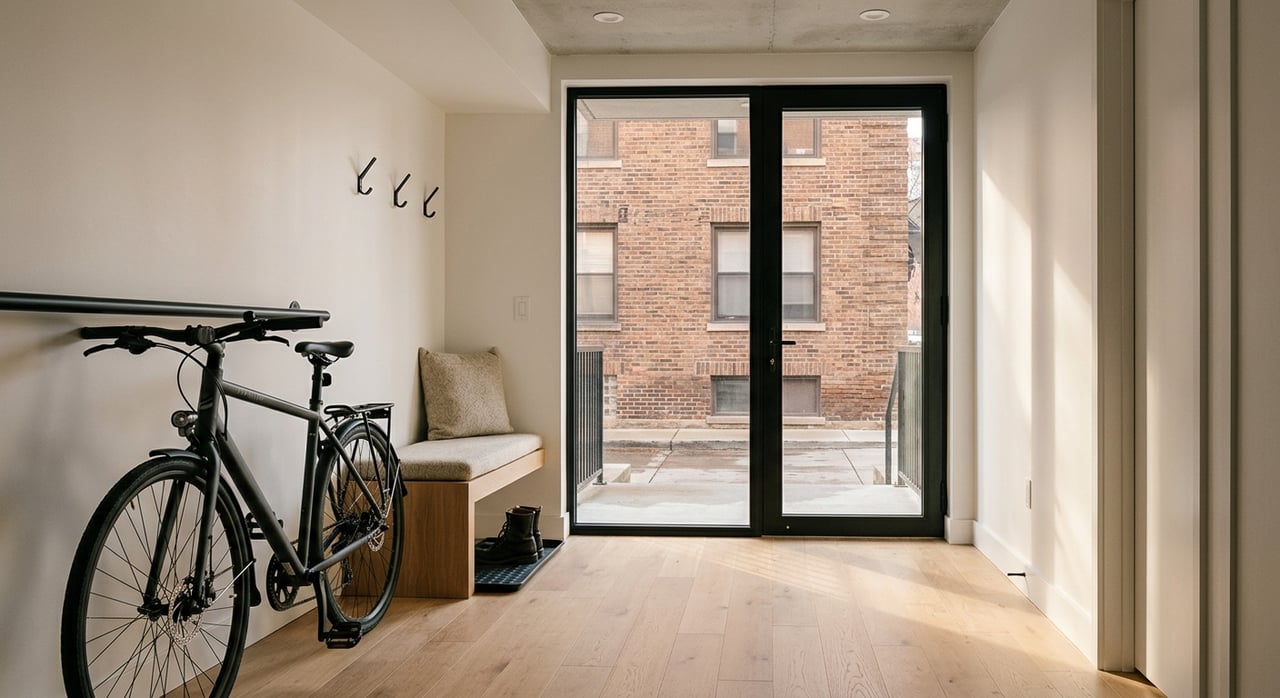
If you love the idea of walking to coffee, dinner, errands, and community events, downtown Bozeman stands out for a reason. For many buyers, the goal is not to give up a car completely, but to use it a lot less and enjoy a more connected daily routine. In downtown Bozeman, that kind of lifestyle is realistic for many day-to-day needs, especially when you combine walking, biking, and transit. Let’s dive in.
Why Downtown Bozeman Fits Car-Light Living
Downtown Bozeman works differently than a more spread-out, car-dependent area. The Downtown Bozeman Association describes the district as a center of business, culture, and entertainment, with hundreds of retailers, restaurants, and professional services in a compact core.
City planning materials support that identity. Downtown standards include pedestrian-focused design, trees, and other public amenities, and parts of Main Street require pedestrian-oriented ground-floor uses. That planning context helps explain why downtown feels easier to navigate on foot than more suburban parts of Bozeman.
The city’s downtown improvement plan also frames the area as walkable and accessible. In plain terms, downtown was shaped to support people moving through it, not just cars passing through it.
What You Can Do on Foot
For a car-light lifestyle to work, your routine needs to be practical, not just scenic. Downtown Bozeman checks that box by putting a wide range of everyday stops within a walkable area.
The downtown dining directory includes places like Backcountry Burger Bar, Rice Fine Thai Cuisine, Rockford Coffee, and Ghost Town Coffee Roasters near Main Street. That means quick coffee runs, lunch meetings, and casual dinners can often happen without driving.
For easy meals and smaller grocery-style stops, Co-op Downtown adds another layer of convenience. It offers hot-bar meals, soup, made-to-order sandwiches, rotisserie chickens, and grab-and-go items, which can make busy weekdays feel simpler.
Downtown also brings together more than restaurants and cafés. The local directories include banks, bike shops, law firms, wellness businesses, boutiques, gift shops, outdoor gear, jewelry, and other specialty retail. When your errands stack into one walkable loop, daily life becomes much easier to manage.
Events Add Everyday Convenience
One underrated part of downtown living is how easy it can be to plug into local events. When entertainment and community programming happen close to home, you spend less time coordinating transportation and more time enjoying where you live.
The downtown calendar includes community events, live music, trivia, arts programming, and board meetings. The 2026 Music on Main series is scheduled on Main Street from Rouse to Black on Thursday evenings, and the 2026 Summer Art Walk series runs on the second Friday of June through September, with a winter Art Walk in December.
For buyers thinking about lifestyle, that matters. A home downtown can make social plans feel more spontaneous because many events are already right in the core.
Biking Makes Downtown Even Easier
If you want to stretch your range beyond a short walk, biking helps fill the gap. It gives you more flexibility for errands, work trips, and outdoor access while still keeping driving to a minimum.
Downtown’s bike-friendly setup is supported by public planning records. The Downtown Bozeman Urban Renewal District funded bike racks along Main Street, and the 2019 Downtown Bozeman Improvement Plan describes Black Avenue as a bike route with a fix-it station, covered bike storage at Bridger Park Garage, and bike stalls near the Co-op.
That kind of infrastructure matters because it supports real use, not just marketing language. If you are considering a downtown condo, townhome, or nearby residential option, bike access can play a big role in how often you actually need your car.
Trail Access Connects Town and Outdoors
One of downtown Bozeman’s biggest lifestyle advantages is how it connects urban convenience with outdoor access. You are not choosing between walkability and Montana recreation. In many cases, you can enjoy both.
GVLT’s trail map highlights access to areas like Peets Hill, Sourdough, Bozeman Pond, Highland Glen, and Triple Tree. GVLT also notes that Main Street is connected to the top of Triple Tree Trail by 8.2 miles of trails.
For buyers who want a downtown home base with quick access to open space, that is a meaningful feature. It supports a routine where your day might include coffee on Main Street, a few errands on foot, and a trail outing without a major drive.
Transit Offers a Useful Backup
Even in a walkable area, it helps to have another option. Streamline provides that backup for downtown residents who want to reduce driving without relying only on walking or biking.
Streamline describes itself as a zero-fare transit system. Its route information shows weekday service on multiple lines from 6:45 a.m. to 10:00 p.m., along with service on both Saturday and Sunday.
That said, there is an important real-world detail to know. The late-night route is not currently operating, so very late evenings may still require walking, arranging a ride, or using a car.
Why Car-Light Is More Accurate Than Car-Free
Downtown Bozeman can support a mostly car-light lifestyle, but it is smart to keep expectations realistic. For most buyers, the best description is car-light, not fully car-free.
The City of Bozeman parking page says on-street parking is limited to two hours of free parking. Garage parking is free for the first two hours and then costs $1 per hour, and monthly permits are available for the garage and surface lots.
The city also explains the rolling rule and winter snow-hazard enforcement. Those details are a good reminder that if you keep a car downtown, parking management and seasonal logistics are still part of daily life.
Who Downtown Bozeman Works Best For
Downtown tends to fit buyers who want to simplify their routines and stay close to activity. If you enjoy walking to dinner, grabbing coffee without a car, combining errands into one trip, or biking to more of your destinations, the area has strong appeal.
It can also work well if you like having transit as a backup and outdoor access close by. Many buyers still keep a car for larger shopping trips, weather shifts, or added flexibility, but they use it far less often.
That balance is what makes downtown appealing. You are not necessarily giving up your car. You are choosing a location where you may not need it for every part of your day.
What To Consider When Buying Downtown
If you are exploring homes in or near downtown Bozeman, it helps to look past the listing photos and think about routine. A home that supports car-light living should match how you actually move through your week.
Here are a few practical questions to ask as you compare properties:
- How close are your go-to coffee, dining, and errand spots?
- Is there secure or convenient bike storage?
- How easy is access to transit stops?
- What are the nearby parking options if you keep a car?
- How does winter change your daily routine?
- Do you want faster access to Main Street, trails, or both?
These details can shape how convenient downtown living really feels once you move in. The right fit depends on your habits, schedule, and comfort with walking, biking, and using transit.
If you want help weighing those tradeoffs, working with a local team can make the search much clearer. A neighborhood-level view often matters just as much as the home itself.
Whether you are relocating, rightsizing, or looking for a home that better matches your lifestyle, downtown Bozeman offers a distinctive option in the local market. If you want practical guidance on where car-light living works best, connect with Mikey Duquette for tailored help with your Bozeman home search.
FAQs
Can you live mostly on foot in downtown Bozeman?
- Yes. Downtown Bozeman has a mix of restaurants, coffee shops, practical services, and small grocery-style options that can support many daily needs within a walkable area.
Is there public transit in downtown Bozeman?
- Yes. Streamline is a zero-fare system with multiple weekday routes from 6:45 a.m. to 10:00 p.m., plus service on Saturday and Sunday.
Is downtown Bozeman bike-friendly?
- Yes. Public records note bike racks along Main Street, a bike route on Black Avenue, a fix-it station, covered bike storage at Bridger Park Garage, and bike stalls near the Co-op.
Can downtown Bozeman work for outdoor-focused buyers?
- Yes. GVLT highlights nearby trail access, including a connection from Main Street to the top of Triple Tree Trail through 8.2 miles of trails.
Do you still need a car in downtown Bozeman?
- For many buyers, a car is still useful for larger errands, backup convenience, weather, or late-night trips. That is why downtown is best described as car-light rather than fully car-free.
How does parking work in downtown Bozeman?
- The City of Bozeman says on-street parking is free for up to two hours, garage parking is free for the first two hours and then $1 per hour, and monthly permits are available for the garage and surface lots.
